Finding Our Freedom: A Two-Year Path from Street Survival to Self-Sufficiency
A proposed 24-month rehabilitation, housing, education, and microenterprise program for young women in the Philippines
Our goal is bigger than rescuing a young woman from the street. It is to help her build a life in which she is safe, emotionally stable, capable of earning an income, able to care for her children, and eventually in a position to own her home and land.
For Finding Our Freedom we
Rescue first.
Stabilize second.
Equip third.
Establish an income fourth.
Pursue property ownership when the foundation is strong enough.
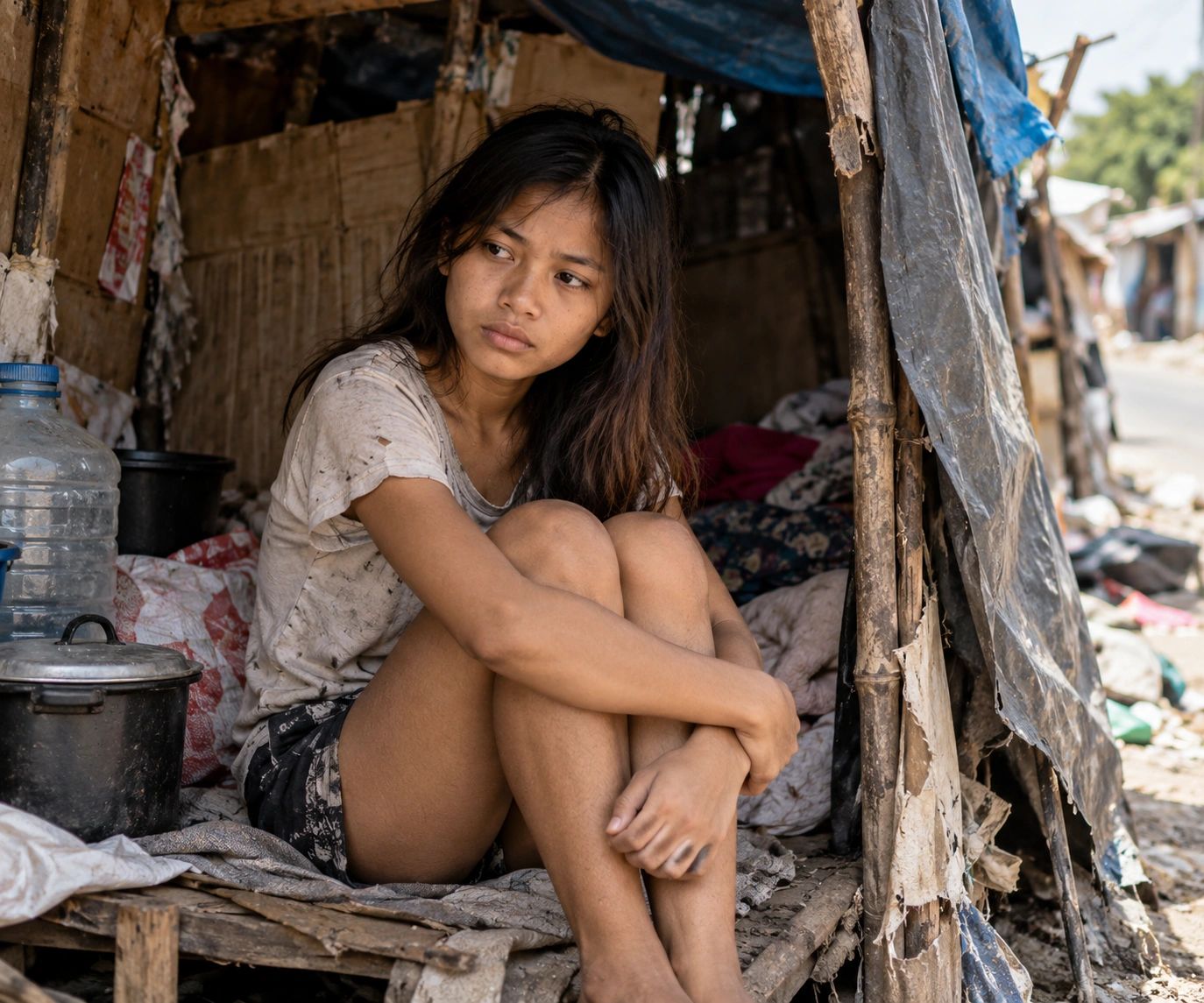
The women we have helped are typically 18-year-old women with no formal education, no reliable family support, emotional struggles, and one or two young children. She may have experienced exploitation, trauma, hunger, unsafe relationships, and years of having to make decisions simply to survive.
We do not expect her to become a successful business owner in three months. She needs a structured path with a small team of caring adults, practical training, and financial safeguards. Neither do we assume that every young woman has the same abilities or that running a business is necessarily the right outcome for every participant.
After doing this work for four years, this is how I would design the program over 24 months, including staffing, facilities, a land and housing strategy, business selection, and startup plans with illustrative Philippine-peso budgets.
1. The 24-month transformation plan
Phase 1 — Rescue, safety and stabilization
Months 1–3
Primary objective: Move her from immediate danger into a safe, predictable environment.
- Conduct a safety assessment and establish a confidential case file.
- Arrange safe transportation and emergency accommodation.
- Provide food, clothing, hygiene supplies, phone access and childcare.
- Obtain medical examinations, pregnancy testing when appropriate, and treatment for urgent conditions.
- Begin trauma-informed counseling and assess depression, anxiety, substance use, and other support needs without stigmatizing her.
- Establish legal identity and civil registration needs, including birth certificates for her children.
- Assess exploitation, trafficking, threats, custody issues and immediate risks to her children.
- Develop an individualized recovery plan with her participation.
Milestone: She has a safe place to sleep, reliable food, a health plan, and a trusted caseworker.
Phase 2 — Recovery and foundational education
Months 4–6
Primary objective: Build confidence and daily living skills.
- Continue individual counseling and, where appropriate, peer support.
- Establish a regular routine for sleep, meals, parenting and appointments.
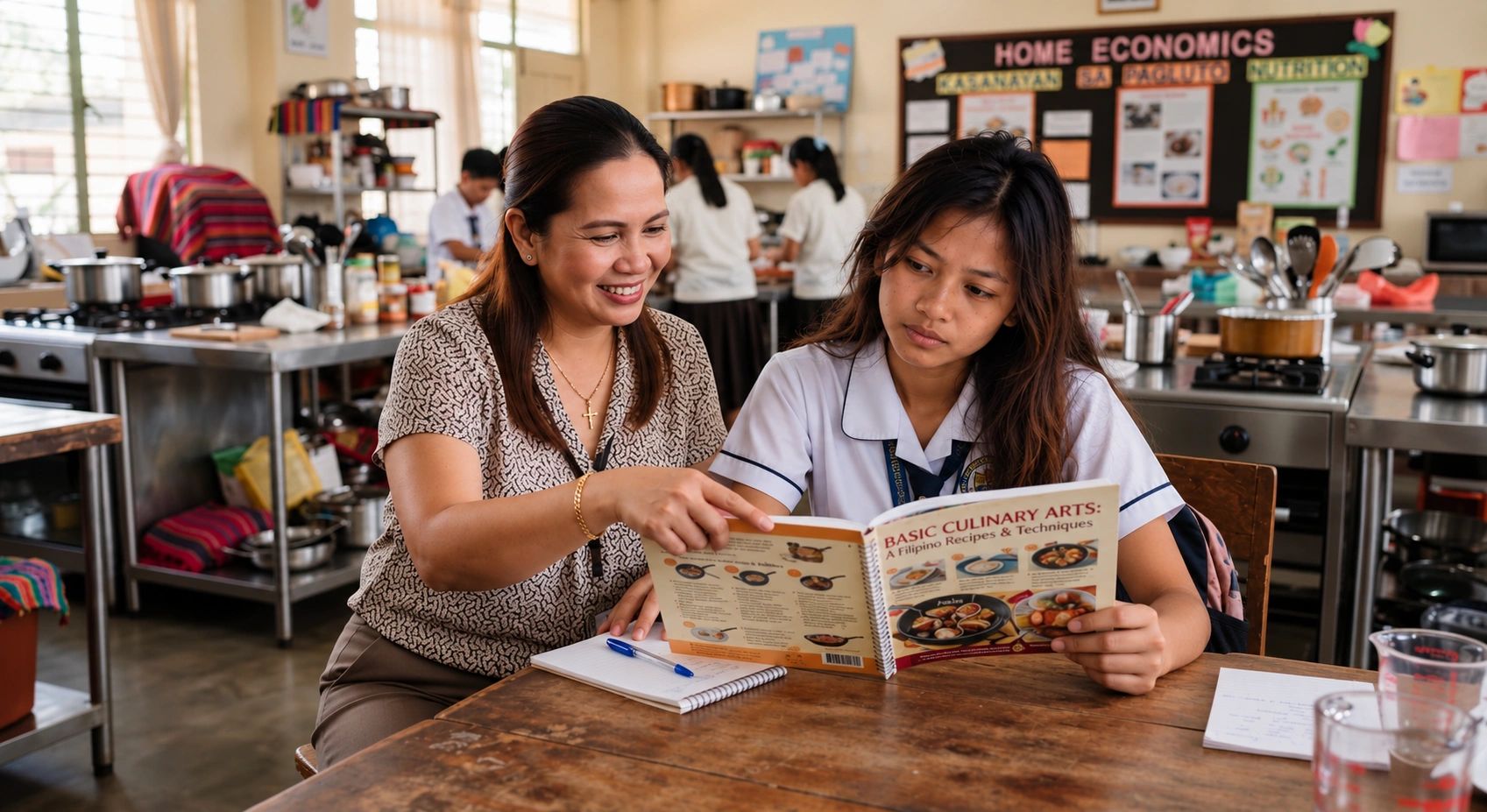
- Begin basic reading, writing, practical mathematics, money management and digital literacy.
- Explore DepEd Alternative Learning System (ALS) options to work toward an appropriate education credential.
- Provide parenting support, child development services and childcare during classes.
- Teach budgeting, saving, personal boundaries, safe relationships and recognizing exploitation.
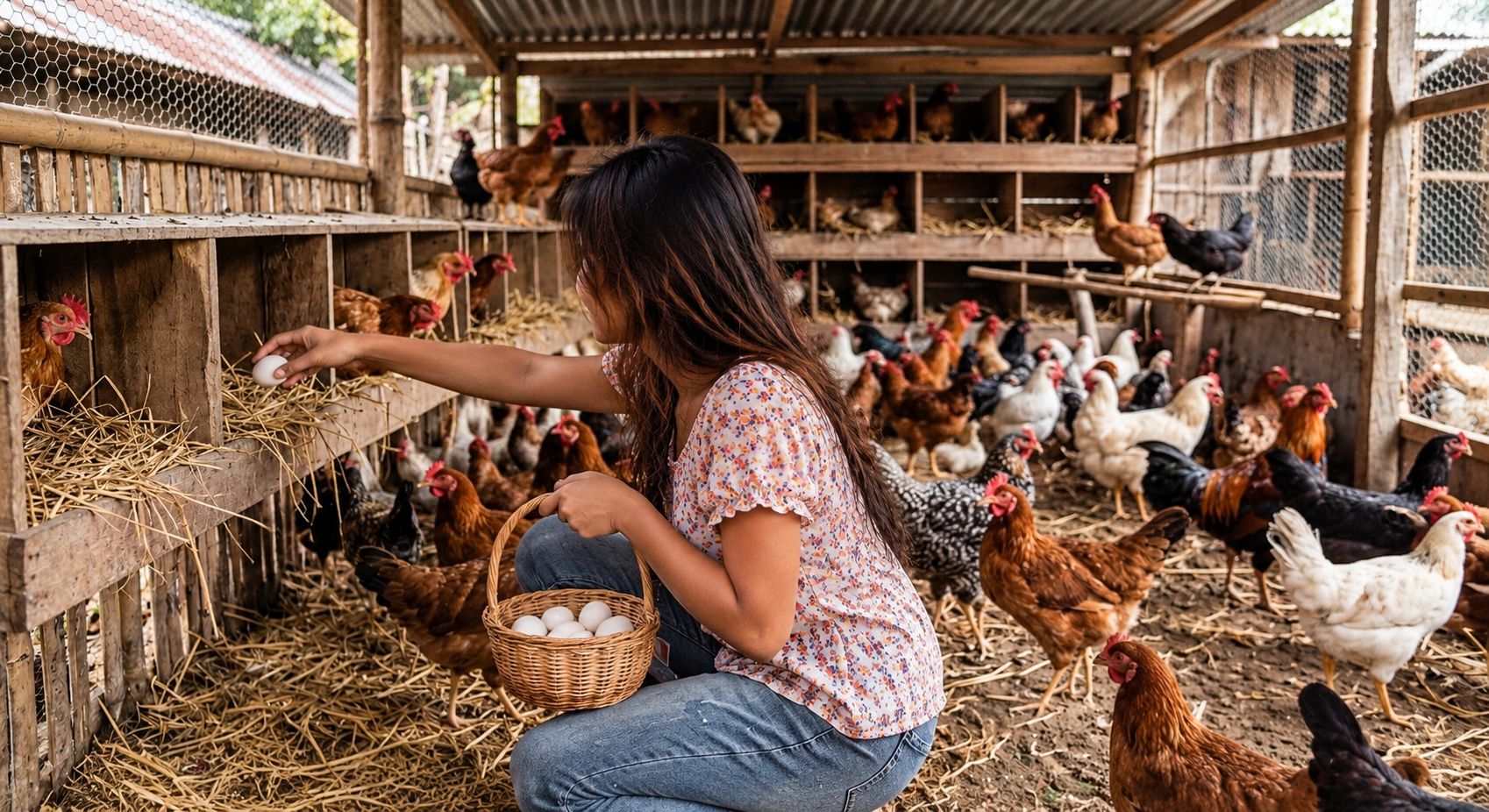
- Introduce vocational interests through short, low-pressure activities: cooking, retail, poultry, sewing, beauty services or other trades.
Milestone: She can manage basic everyday tasks, participate in a learning plan, and identify several realistic ways to earn income.
Phase 3 — Vocational training and a supervised pilot business
Months 7–12
Primary objective: Turn skills into reliable earning capacity.
- Match her to a business based on aptitude, preferences, local demand and childcare needs.
- Arrange TESDA training or other appropriate skills certification where available.
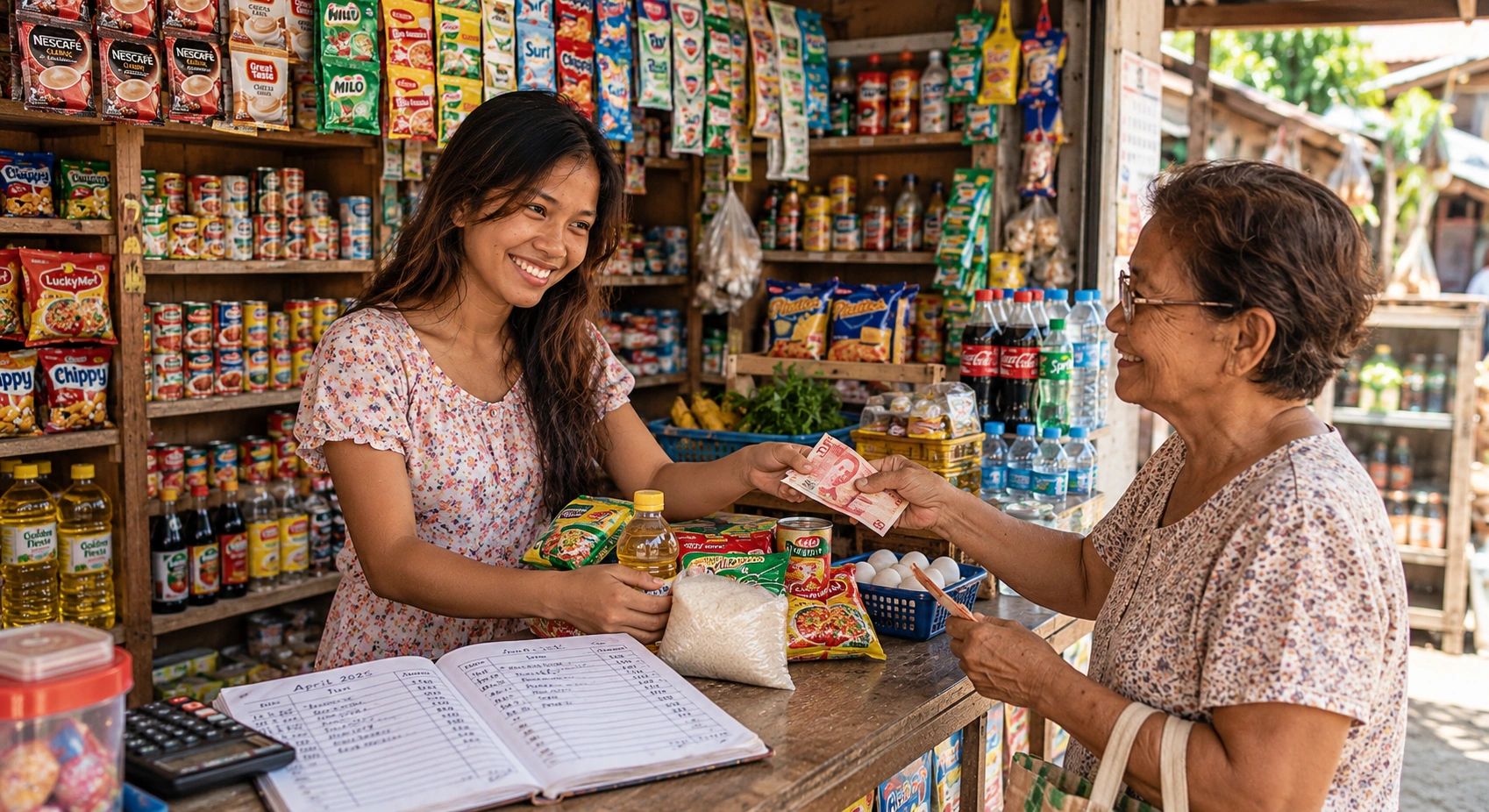
- Teach pricing, inventory, customer service, cash handling and simple bookkeeping.
- Start with a small supervised business or paid apprenticeship, rather than immediately providing a large cash grant.
- Introduce separate business and household accounts.
- Build an emergency fund, even if deposits are initially very small.
- Evaluate her actual earnings and expenses over several months.
Milestone: She demonstrates a repeatable skill, serves real customers or completes paid work, and understands whether the activity generates a profit.
Phase 4 — Business development and transition to independence
Months 13–18
Primary objective: Build a dependable income and reduce intensive supervision.
- Expand the business only after demonstrated demand and positive cash flow.
- Gradually transfer daily operating decisions to the participant.
- Establish a written household budget, savings goal and business reserve.
- Continue counseling, education and parenting support.
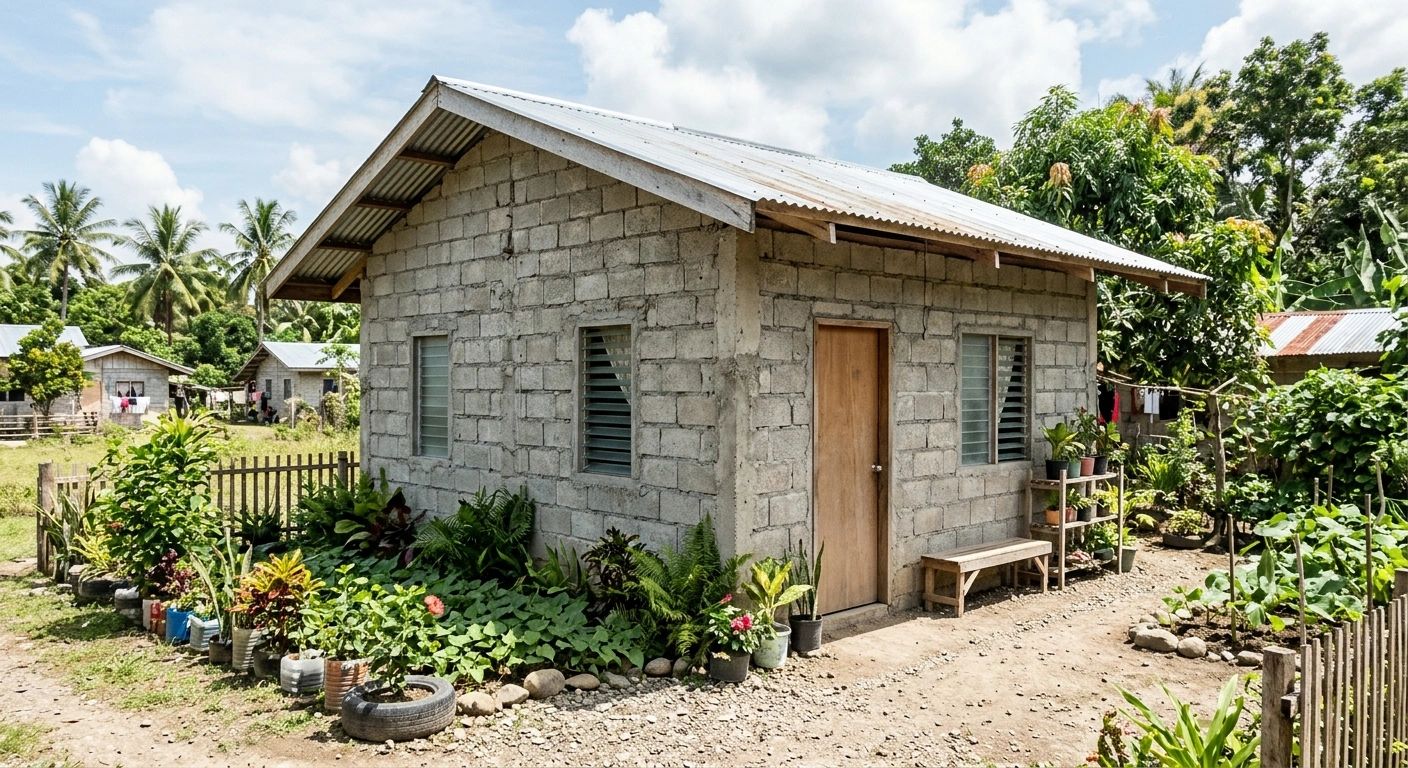
- Assess rental housing, shared housing, or a modest home on a secure property.
- Review land tenure, title, zoning, utilities, flood risk, road access and security before considering a purchase.
- Explore savings matches or an asset-building fund, with clear rules for ownership and access.
Milestone: The participant has a functioning income source, a realistic housing plan, and a track record of managing money with less direct supervision.
Phase 5 — Independent living and long-term asset building
Months 19–24
Primary objective: Establish a stable, sustainable household.
- Conduct a formal readiness review for independent housing.
- Help her operate the business with routine mentoring rather than daily intervention.
- Confirm that income covers essential household expenses and business costs over time.
- Maintain access to childcare, health services, counseling and emergency assistance.
- If financially and legally feasible, move toward a land purchase or a secure, documented pathway to ownership.
- Develop a three-year financial plan for savings, business growth, housing and the children's education.
- Create a voluntary alumni mentoring network so graduates can support newer participants.
Milestone: She has safe housing, a viable source of income, a manageable household budget, and a credible long-term plan. Land ownership is a goal, not a condition for graduating.
Important: These are planning milestones, not deadlines imposed on a survivor. Some participants will need longer in residential care; others may be ready for vocational work earlier. A setback should trigger reassessment and additional support, not automatic expulsion from the program.